

Did you know that in America right now, over 40 million people—or about 12% of the population—are living with diabetes (diagnosed or undiagnosed), including around 29 million who have already been diagnosed?
Healthcare costs for diabetes in America are skyrocketing, with total annual spending hitting hundreds of billions of dollars and continuing to climb. Direct medical expenses alone exceed $300 billion. In 2026, these costs are rising even more, so Americans are increasingly looking for affordable and natural ways to manage blood sugar, lower A1C, and avoid depending entirely on expensive medications found in ancient texts as powerful remedies.
This is where Ayurveda comes in—the thousands-of-years-old Indian healing system that naturally balances the body. These old but proven methods help control blood sugar (and in many cases support long-term improvement), boost insulin sensitivity, and provide a low-cost alternative that’s becoming super popular in America fast.
In Ayurveda, diabetes is called “Madhumeha,” mostly caused by excess Kapha dosha and poor digestion. Modern studies also back these approaches, showing good reductions in fasting blood glucose, post-meal spikes, and HbA1c levels.
Now see how you can easily add these to your American lifestyle:
1. Bitter Gourd (Karela) – Nature’s Powerful Blood Sugar Fighter

Bitter gourd (Momordica charantia), a staple in Ayurvedic medicine for “Prameha” (diabetes-like conditions), contains compounds like charantin, polypeptide-p (a plant insulin), and cucurbitacins. These mimic insulin, help cells absorb glucose, and reduce fasting blood sugar.
- What studies say: Research shows bitter melon extract can significantly lower fasting blood glucose in people with type 2 diabetes after just 4 weeks. Longer trials (like 12 weeks) have demonstrated improvements in glucose homeostasis, with trends toward better insulin levels in prediabetic individuals.
- Easy ways to use it in the USA: Drink ½ cup of fresh bitter gourd juice on an empty stomach each morning (dilute with water if too bitter), or cook it as a stir-fry vegetable. Capsules are widely available on Amazon or Indian grocery stores—consult your doctor for dosing.
2. Fenugreek (Methi) – The Seed That Boosts Insulin and Stabilizes Sugar
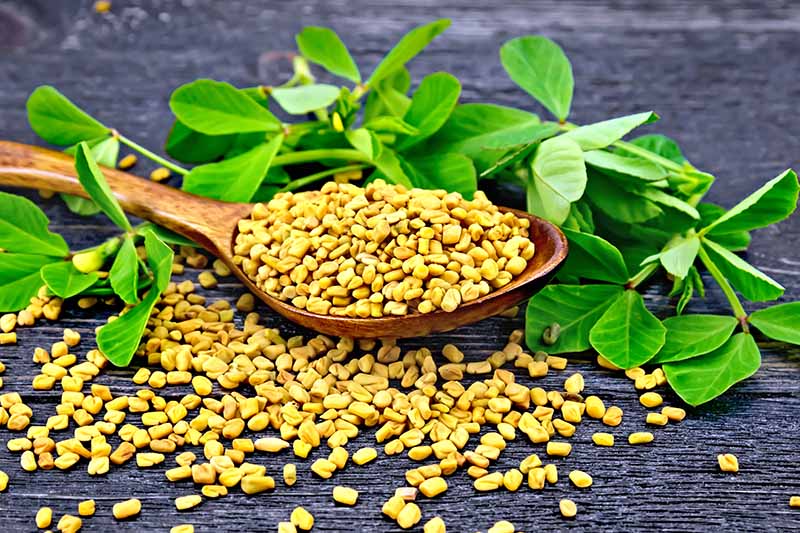
Fenugreek seeds are rich in soluble fiber, which slows carb absorption, stimulates insulin release, and improves sensitivity. Ayurveda recommends it for balancing doshas and managing blood sugar spikes.
- What studies say: Clinical trials and reviews show fenugreek can reduce fasting blood sugar by up to 20% in some cases, improve insulin sensitivity, and enhance glycemic control in type 2 diabetes. It also supports lipid profiles and reduces insulin resistance.
- Simple USA-friendly methods: Soak 1–2 teaspoons of seeds overnight in water and drink the water (or chew the seeds) first thing in the morning. Add to salads, dals, or teas. Start low and build up.
3. Yoga Pose: Paschimottanasana (Seated Forward Bend) – Stimulate Your Pancreas Naturally

This classic forward bend stretches the spine, massages the abdominal organs (including the pancreas), reduces stress hormones (which spike blood sugar), and promotes better insulin function.
- Benefits backed by research: Studies on yoga (including poses like Paschimottanasana) show significant drops in fasting and postprandial blood glucose, HbA1c, fasting insulin, and insulin resistance (HOMA-IR) in type 2 diabetes patients. Regular practice outperforms walking in some comparisons for glycemic control.
- How to do it: Sit on the floor with legs extended straight. Inhale, lengthen your spine; exhale and fold forward from the hips, reaching for your feet (use a strap if needed). Hold for 30 seconds to 1 minute, breathing deeply. Repeat 5–10 times. Practice 10–15 minutes daily—beginners can place a cushion under the knees.
Key Tips and Important Cautions
- These are supportive natural aids—never stop your prescribed medications without consulting your doctor. Monitor blood sugar closely, especially when starting.
- Combine with a Sattvic (pure, balanced) diet: Focus on whole foods, veggies, whole grains, and minimal processed items.
- Pair with daily walking or more yoga for amplified results—consistency is key.
- In the USA, bitter gourd and fenugreek are easy to find at Indian/Asian markets, Whole Foods, or online (Amazon has fresh produce and supplements).
These Ayurvedic secrets aren’t just ancient wisdom—they’re backed by modern evidence and can help you take control of your blood sugar, boost energy, manage weight, and cut reliance on costly meds. Give them a try and see the difference nature can make! If you want recipes, more poses, or tweaks for your routine, just let me know.
(Note: This is general information based on research and Ayurvedic principles—not personalized medical advice. Always consult your healthcare provider before making changes, especially if on medications.)



Leave a Reply